Must-See Attractions

Chengdu Panda Base
The Chengdu Research Base of Giant Panda Breeding sits about ten kilometers north of the city center — a 300-acre park of bamboo groves and sculpted hills designed to mimic the pandas' natural mountain habitat. Stone paths lead past open enclosures where the animals lounge in trees or sprawl across grass with total indifference to visitors. The nursery, where newborns rest in incubators behind glass, is the most-visited stop. Arrive before 7:30 AM, when the pandas are usually more active and the paths are less crowded.
Dujiangyan Irrigation System
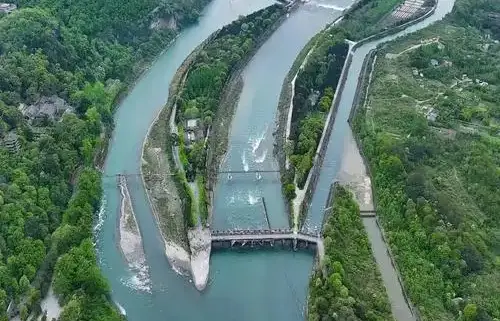
Built over 2,200 years ago, Dujiangyan is a water-control system about an hour northwest of Chengdu, where the Min River descends from the mountains onto the Chengdu Plain. Its defining feature is a dam-free design — levees and channels that split and redirect the river to prevent flooding and feed the region's farmland. The system is still in use today, and visitors can see fast-moving water beside walkways, bridges, temples, and viewing platforms

Mount Qingcheng
Mount Qingcheng sits about 60 kilometers west of Chengdu and is one of the birthplaces of Chinese Taoism. The Front Mountain draws most visitors, with Taoist temples, old halls, and stone stairways winding through the forest. The Rear Mountain is quieter and more natural, with paths following streams, waterfalls, and narrow gorges. A cable car can take visitors partway up the Front Mountain, but the temples, paths, and viewpoints still require walking.

Sanxingdui Museum
Sanxingdui Museum introduces a Bronze Age civilization that flourished in Sichuan roughly 3,000 years ago and remained largely unknown until the 20th century. Its most memorable displays include bronze masks with protruding eyes, gold objects, jade pieces, and a nearly two-meter-tall bronze tree. Even visitors who rarely choose archaeology museums may find it appealing, as the artifacts are rare and highly distinctive.
Top Attractions in Chengdu
Hidden Gems In Chengdu

Yulin Neighborhood
Yulin is a low-rise grid of tree-lined streets, neighborhood restaurants, and small bars that haven’t been redesigned for tourists. Late afternoon is when it comes alive —locals eating noodles at sidewalk tables, chatting outside small bars, or settling into cafés along the side streets.It’s the kind of place to walk through slowly rather than treat like a checklist stop.

Eastern Suburb Memory
Eastern Suburb Memory is a former factory complex with red-brick workshops, exposed metalwork, and wide industrial yards that haven’t been smoothed over like Chengdu’s more polished shopping areas. Cafés, small music venues, and independent shops now fill the old production halls, but the bones of the place still show, making it feel rougher and more open than Taikoo Li.

Wangjiang Pavilion Park
Wangjiang Pavilion Park sits along the Jin River, with dense bamboo groves, traditional pavilions, and stone paths that feel much quieter than Chengdu’s better-known parks. The main pavilion is modest, but the riverside setting — bamboo canopy, old-style garden paths, and breaks of open water — makes it a worthwhile detour from the city’s busier tourist areas.