Fujian Tulou Buildings
Fujian Tulou Buildings
The Fujian Tulou are massive, circular and square earth dwellings scattered across the mountainous regions of southeastern China. Originally built as fortified clan homes, these "earthen castles" are unique for housing hundreds of relatives within a single, high-walled enclosure. As a UNESCO World Heritage site, the Tulou have become a major draw for international travelers and architecture enthusiasts.

What to see in Fujian Tulou Earthen Building
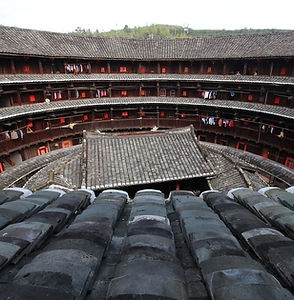
Fujian Tulou are massive, circular earthen fortresses that look like something out of a movie. Built centuries ago by the Hakka people, these "fortified apartment buildings" were designed to protect entire clans from outside threats. Walking into the open-air courtyard in the center, you’ll see residents hanging laundry, cooking, and going about their daily lives. You can climb to the upper wooden balconies for a great view of the layered living quarters and the surrounding tea fields. Among all the earthen structures, Chengqilou, known as the "King of Tulou," is a must-visit, which houses over 400 rooms within four concentric rings.
What to eat in Fujian Tulou Earthen Building
- Hakka Salt-Baked Chicken (Yan Ju Ji): This is the gold standard of Hakka cooking. A whole free-range chicken is rubbed with ginger and salt, wrapped in paper, and buried in a heap of hot coarse salt to slow-roast. The result is incredibly tender meat with a clean, mineral saltiness and a subtle smoky aroma. It’s usually served cold or at room temperature, making it a perfect "rice thief" that balances savory depth with juicy texture.
- Braised Pork with Dried Bamboo Shoots (Sun Gan Shao Rou): You will see bundles of bamboo drying in every Tulou courtyard; this dish is how they use them. Thick slabs of fatty pork belly are simmered for hours with rehydrated mountain bamboo shoots until the meat is fall-off-the-bone tender and the bamboo has absorbed all the smoky pork fat. It’s a hearty, salty-sweet masterpiece that represents the resourceful spirit of Hakka mountain life.
- Hakka Stuffed Tofu (Niang Dou Fu): A legendary dish born from the Hakka's northern roots. Cubes of firm tofu are stuffed with a savory mix of minced pork and mushrooms, then pan-fried and braised in a light soy sauce. The tofu gets a golden, slightly chewy crust while the inside remains soft and velvety. It’s a mild but deeply satisfying dish that is often served at communal "Tulou feasts".
Cultural Experience In Fujian Tulou Earthen Building
- Sunset View of the Tianluokeng Cluster
Walk up to the hillside observation deck to see the famous "four rounds and one square" layout from above. The earthen structures look like giant mushrooms emerging from the green tea terraces as the lights come on.
- Walking the Interior Corridors
Step inside an active tulou like Chengqilou to see the bustling life across its four concentric rings. You will see laundry hanging over wooden railings and grandmothers preparing vegetables in the central open courtyard. The sheer density of people shows how these buildings functioned as entire self-contained villages.
- Tea with a Tulou Resident
Sit down for a brew at one of the small tea stalls set up inside the ground-floor kitchens. Most residents are happy to share oolong tea while you look at the thick, defensive mud walls from the inside. This simple interaction offers a real sense of the hospitality that still defines Hakka culture.
Where to stay in Fujian Tulou Earthen Building
Spending a night inside a traditional tulou is the only way to experience the daily rhythm of the Hakka families who still live there. Joining the residents for morning tea in the courtyard is a rare privilege, but it comes with the reality of very basic rooms and shared bathrooms.
If you prefer a real mattress and private plumbing, look for one of the renovated boutique stays in Taxia Village. These specific properties are built directly inside historic earth walls, combining an iconic circular exterior with the comfort of a modern hotel room on the inside.
How to get to Fujian Tulou Earthen Building
Since the Tulou clusters are tucked away in the countryside, your most efficient gateway is Nanjing (Fujian) Railway Station. High-speed trains run here frequently from Xiamen or Fuzhou, taking about 45 to 70 minutes. Once you arrive, you’ll need to hire a private driver or join a small shuttle for the final hour-long winding drive into the mountains. This rural leg is much easier to manage if you pre-book a car via a travel app or your guesthouse to avoid the unofficial "black taxis" at the exit.
Travel Tips for Fujian Tulou Earthen Building
- Beating the Crowds: Aim to arrive at the Tianluokeng (Four Rounds and One Square) cluster either before 9:00 AM or after 4:30 PM. Avoid the Golden Week (October 1–7, 2026) at all costs, as the narrow mountain roads become a massive traffic jam of tour buses.
- Digital Survival: Don’t expect local fruit sellers or tea stalls to take international credit cards. Link your Visa or Mastercard to Alipay or WeChat Pay before heading into the mountains.
- Footwear Reality: The interior of the Tulou and the village paths are made of uneven, centuries-old cobblestones that are notoriously slippery when wet. Skip the flip-flops and wear sneakers with solid rubber grip to navigate the slick courtyard stones and muddy hillside trails.
- Tea Etiquette: If a resident invites you for oolong tea, it is a genuine gesture of hospitality, not always a sales pitch. It is polite to sip slowly and chat for a few minutes; if you don't want to buy anything, a simple "Xie xie" (Thank you) and a smile as you leave is perfectly acceptable.
Fujian Tulou Travel FAQs
Visiting Fujian Tulou usually comes with a few practical questions, from how to get there to what to expect once you arrive. The answers below cover the ones that come up most often as you plan your trip.