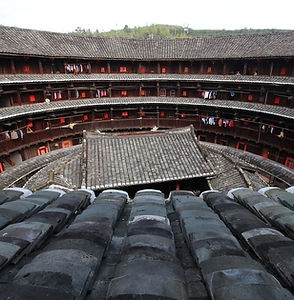
Hongcun Ancient Village
Hongcun Ancient Village
Hongcun is an ancient village in Anhui Province, famous for its preserved Ming and Qing dynasty architecture and a unique water system designed centuries ago. Often described as a "living Chinese ink painting," it has long been a magnet for art students, photographers, and history buffs. Despite its fame, the village remains a lived-in community where local life continues in the old houses, tucked away from the busy main paths.

What to see in Hongcun
Hongcun looks exactly like a traditional ink painting, especially around the crescent-shaped Moon Pond at its center. You’ll see local artists sketching the white houses and black-tiled roofs reflecting in the water. One of the coolest parts is the ancient canal system, where small streams of water run through the narrow stone alleys and right past every doorstep. South Lake is also a highlight—it's the filming location for the famous bridge scene in Crouching Tiger, Hidden Dragon. If you head into the old family mansions, the wood carvings on the beams are incredibly detailed, showing scenes from hundreds of years ago.
What to eat in Hongcun
- Stinky Mandarin Fish (Chou Gui Yu): This is the most famous dish in Anhui. The fish is salted and fermented for several days, giving it a pungent aroma that disappears once it’s braised with ginger, garlic, and chilies. The flesh is incredibly firm and springy, almost like garlic cloves in texture, but be prepared for a strong salty-savory punch that definitely requires a side of steamed rice.
- Hairy Tofu (Mao Doufu): You will see street vendors pan-frying these blocks of tofu covered in a layer of white, fuzzy mold. The fermentation turns the interior into a creamy, custard-like texture similar to Camembert cheese, which is then crisped up on the outside and topped with spicy bean paste. It’s a classic "love it or hate it" snack, so start with just one or two pieces to see if the earthy, funky flavor is for you.
- Huangshan Biscuits (Xie Jia Huang): These are the perfect portable snacks for exploring the village alleys. They are small, golden pastries filled with minced pork and dried preserved vegetables, then baked in a charcoal oven until they are flaky and "crispy like a crab shell." They have a long shelf life, so you can grab a bag to keep in your daypack for a salty, savory energy boost during your hike up the nearby Yellow Mountain.
Cultural Experience In Hongcun
- Morning Photography at the Moon Pond
Get here at sunrise to catch the village houses reflecting perfectly in the still, crescent-shaped water. The contrast between the white walls and the dark mountain backdrop looks incredible in photos. This early hour is the best time to experience the village before the day-trippers arrive.
- Crossing the South Lake Bridge
Walk across the old stone bridge to see the vast lily pads covering the lake surface. You will pass local art students sketching the rows of Ming-dynasty houses lining the shore. The entire layout shows how the village was designed to flow naturally with the water.
-Tea in a Historic Mansion
Step into one of the ancient family halls that now operates as a public tea house. You can examine the insane detail in the wood carvings while sipping a cup of local Qimen black tea. Many of these heritage spaces are still managed by the descendants of the original builders.
Where to stay in Hongcun
Staying in a restored Huizhou mansion inside the village is the best way to experience the town’s quiet early mornings. These historic properties feature stunning wood carvings and traditional courtyards, but the ancient timber structures mean thin walls and very little soundproofing.
If you are a light sleeper, look for a modern boutique hotel just outside the main entrance. You will find larger rooms there with better insulation and consistent hot water, while still being only a five-minute walk from the South Lake. Regardless of where you stay, confirm that your room has a powerful AC unit or a heated mattress pad, as the stone-walled houses can feel quite damp and chilly during the spring and autumn months.
How to get to Hongcun
Most travelers reach Hongcun by taking a high-speed train to Huangshan North (Huangshanbei) station. From the bus hub right outside the exit, you can catch a direct tourism shuttle that takes about 90 minutes to reach the village entrance.
For a faster and more private door-to-door trip, grab a licensed taxi or book a car through the Trip.com app for a one-hour drive. Keep in mind that "Huangshan City" and "Huangshan North Station" are different areas, so always double-check your train ticket to avoid a long backtrack.
Travel Tips for Hongcun Ancient Village
- Navigating the Easels: Expect a sea of art students blocking the narrow canal-side paths with their stools and easels. You are welcome to glance at their sketches as you pass, but keep moving to avoid creating a "human traffic jam" in the tiny alleys.
- The "No-Guardrail" Reality: The centuries-old water channels flow directly past every doorstep without any safety rails. Keep your eyes off your phone while walking these dark alleys at night, or you will likely end up in a three-foot-deep stone drain.
- Catching the Mirror Effect: Head to the Moon Pond before 7:30 AM if you want that perfect "ink wash" reflection. Once the large tour groups arrive, the constant ripples from people touching the water or feeding the fish will ruin the mirror-like surface for your photos.
Hongcun Ancient Village Travel FAQs
Visiting Hongcun Ancient Village usually comes with a few practical questions, from how to get there to what to expect once you arrive. The answers below cover the ones that come up most often as you plan your trip.