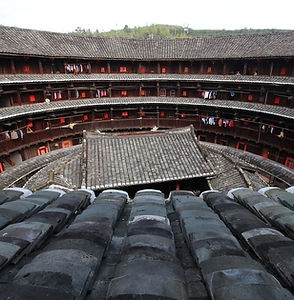
Shaxi Ancient Town
Shaxi Ancient Town
Shaxi was once a key market town along the Tea Horse Road, serving as a trading point between Yunnan and Tibet. Centered around Sideng Square, its temple complex, old caravan inns, and shopfronts preserve the layout of a functioning frontier marketplace rather than a reconstructed old town. Unlike nearby Dali or Lijiang, the town remains small in scale, with its historic core still organized around trade routes and daily village life.

What to see in Shaxi Ancient Town
The heart of the village is Sideng Square, a quiet, stone-paved plaza where you'll find the Old Theatre Stage. It’s the kind of place where you can sit for an hour just watching the light change on the weathered wood carvings.
If you’re there on a Friday, head to the main road just outside the old core for the Shaxi Friday Market. This is the only surviving market of its kind on the ancient Tea Horse Road. It’s a massive, chaotic scene where Bai and Yi women in traditional dress trade everything from mountain honey to handmade tools. For a better view, walk over to the Yujin Bridge—it’s an 18th-century stone arch that crossing the Heihui River, still used by farmers leading their livestock into the fields. A short trek away are the Shibaoshan Grottoes, where you can see 1,000-year-old rock carvings of the Nanzhao Kingdom tucked into the mountainside.
What to eat in Shaxi Ancient Town
- Wood-fire Baba (Shaxi Baba): You’ll smell these thick, circular flatbreads being toasted over charcoal long before you see the stall. The wheat dough comes in sweet (brown sugar) or salty (minced pork) versions, boasting a charred, crunchy exterior and a dense, chewy center. Grab one hot off the griddle for a few RMB, but watch out—the sugar-filled ones stay molten inside and can easily scorch your tongue.
- Wild Mushroom Hotpot: Unlike the spicy, numbing heat of a Chongqing-style pot, mushroom hotpot in Shaxi is light and delicate. It’s loaded with a natural, umami-rich sweetness drawn from a massive variety of local fungi that makes meat feel totally unnecessary.
- Goat Cheese Slips (Ru Shan): These are thin, grilled sheets of cow's milk cheese wrapped around a stick and brushed with rose petal jam. The texture is rubbery and toffee-like, offering a tangy, slightly acidic funk that contrasts perfectly with the sweet floral glaze.
Cultural Experience In Sh axi Ancient Town
- The Friday Morning Market
Walk just outside the old gate to the new town area to join the weekly gathering of local Bai and Yi villagers. You can see mountain tribes trading everything from wild medicinal herbs to handmade wicker baskets and livestock. This remains one of the last few authentic ethnic markets in Yunnan that isn't staged for tourists.
- Tea at Sideng Square
Grab a wooden stool at one of the family-run tea houses facing the ancient theater stage and the centuries-old locust trees. You can sip local Pu’er tea while observing village elders gathering in the square to chat or play chess. Most of these heritage spaces are still managed by locals who have lived in the valley for generations.
Where to stay in Shaxi Ancient Town
For misty valley views and old caravan-town atmosphere, look for a restored courtyard stay right on Sideng Square. Many boutique inns here have English-speaking hosts and western-standard rooms, though the old timber frames carry sound easily and noisy neighbors are hard to ignore.
For quieter nights without leaving the old town, look for recently built boutique spots on the village edges. You’ll get consistent hot water and real insulation instead of drafty windows, though the surrounding view often includes messy local construction.
If modern heating and dodging the village noise are your priorities, head to the renovated farmhouses in Diantou Village. The thick stone walls offer far better insulation against the cold and morning commotion, though the trade-off is the convenience of being near the main cafes and western-style breakfast spots.
How to get to Shaxi Ancient Town
Fly into Jiuzhai Huanglong Airport (JZH) if you’re short on time, but watch out for the 11,000-foot altitude jump. From the terminal, book a private car or hop on the airport shuttle for the winding 2-hour drive to the park gates. Since weather in the mountains is totally unpredictable, early morning flights are less likely to face those notorious afternoon delays.
Alternatively, catch a high-speed train from Chengdu East (Chengdudong) to Huanglongjiuzhai Station. This rail link is a game-changer, cutting the old 8-hour bus slog down to a sleek 2-hour ride. After exiting the station, grab a ticket for the dedicated shuttle bus. These departures are timed to meet your train for the final 90-minute leg to your hotel.
Travel Tips for Shaxi Ancient Town
- Beat the Crowds: The Friday Market Chaos
The Friday Market is a raw, loud local event where mountain tribes trade livestock and produce. Head to the market area before 9:00 AM or it would be rather crowded. Stay away from the narrow center of the Sideng Square bridge to avoid being bumped by heavy baskets or animal carts.
- If it Rains: The Muddy Cobblestone Trap
Shaxi’s red sandstone streets become incredibly slippery and muddy the second it drizzles. Forget your stylish sneakers; you need shoes with deep lugs or serious grip to avoid sliding on the slanted stones.
- Digital Survival: Pre-download Your Maps
Cell signal can become weak or unreliable once you head toward the Shibaoshan grottos or wander into the quieter back alleys of the village. Don’t rely entirely on live GPS to find your guesthouse at night. Download an offline map of the Shaxi area or save a screenshot of your guesthouse’s exact location, as street signs can be easy to miss.
- What to Watch Out For: The "No-Flush" Reality
While Shaxi has some stylish cafés and boutique guesthouses, a few traditional stays still use squat toilets or older plumbing systems. Water pressure can also be limited in some historic courtyard buildings. It’s a good idea to carry tissues or wet wipes from a local shop, and avoid flushing paper in places where signs ask you not to.
Shaxi Ancient Town Travel FAQs
Visiting Shaxi Ancient Town usually comes with a few practical questions, from how to get there to what to expect once you arrive. The answers below cover the ones that come up most often as you plan your trip.